
Tooth Extractions
in Wylie, TX —
Gentle. Precise. Stress-Free.
At Merry Dental Hub, Dr. C always tries to save your tooth first. Dr. C at Merry Dental Hub only recommends extraction when it is genuinely the best clinical outcome — not the quickest or most convenient one. When extraction is necessary, Dr. C performs every extraction with the most minimally traumatic technique available — and most patients leave telling us the anticipation was far worse than the procedure.
Considering a Dental Implant to Replace This Tooth?
A dental implant is the only replacement option that preserves jawbone, prevents neighboring teeth from drifting, and provides a permanent result that functions like a natural tooth. Ask about socket preservation at your extraction visit — Dr. C can place bone graft material in the socket immediately after removal to protect the site for a future implant, avoiding more extensive grafting later.
Tooth Extractions at Merry Dental Hub — Save First. Extract Only When Necessary.
Your natural teeth are irreplaceable. Dr. C's clinical approach: every extraction evaluation starts with the question of whether the tooth can be preserved. Removal is recommended only when it is genuinely the best available option clinically — not because it is the fastest or simplest path for the practice. Patients drive in from across Wylie and East DFW — from Wylie Square and Country Club Road to Murphy, Sachse, and Garland — all within a 10 to 20 minute drive.
✅ When Saving the Tooth IS Possible
💡 Dr. C's commitment: If another dentist recommended extraction and you'd like a second opinion, Dr. C welcomes you. Bring your X-rays or let Dr. C take new ones. A second opinion at Merry Dental Hub costs nothing — and it could preserve a tooth that doesn't actually need to be removed.
❌ When Extraction IS the Right Decision
What Happens When a Damaged Tooth Is Left Untreated
⚠️ Don't ignore a painful tooth — waiting makes it harder to save. A toothache that feels manageable today can become a bone infection, spreading abscess, or irreversible structural failure within days. The sooner Dr. C evaluates it, the more options typically remain available. Call (972) 483-4848 — same-day appointments available for dental pain.
Three Types of Extractions at Merry Dental Hub
The type of extraction Dr. C performs is determined entirely by the tooth's anatomy, position, and condition. Every procedure is performed with the most minimally traumatic technique and the maximum patient comfort available. The single most consistent feedback Dr. C receives after extractions: patients say the anticipation was dramatically worse than the actual procedure.
Used for teeth sitting fully above the gumline that can be reached without any surgical cut. Dr. C eases the tooth free of the periodontal ligament using a dental elevator, then walks it out with forceps in one steady motion. Most patients are honestly taken aback by how quick and easy it turns out to be.
Required when the tooth is partially or fully hidden beneath the gum — as with teeth broken at the gumline or partially erupted teeth. Dr. C makes a small, controlled incision to expose the tooth. If needed, the tooth may be divided into sections for gentler, piece-by-piece removal. Sutures close the site neatly afterward.
Wisdom teeth (third molars) typically emerge between ages 17–25. They don't always need removal — Dr. C recommends extraction only when the wisdom teeth are causing — or are clearly on a path to causing — clinical problems. Horizontal impaction, partial eruption with recurring pericoronitis, or infection are all clear indications for removal.
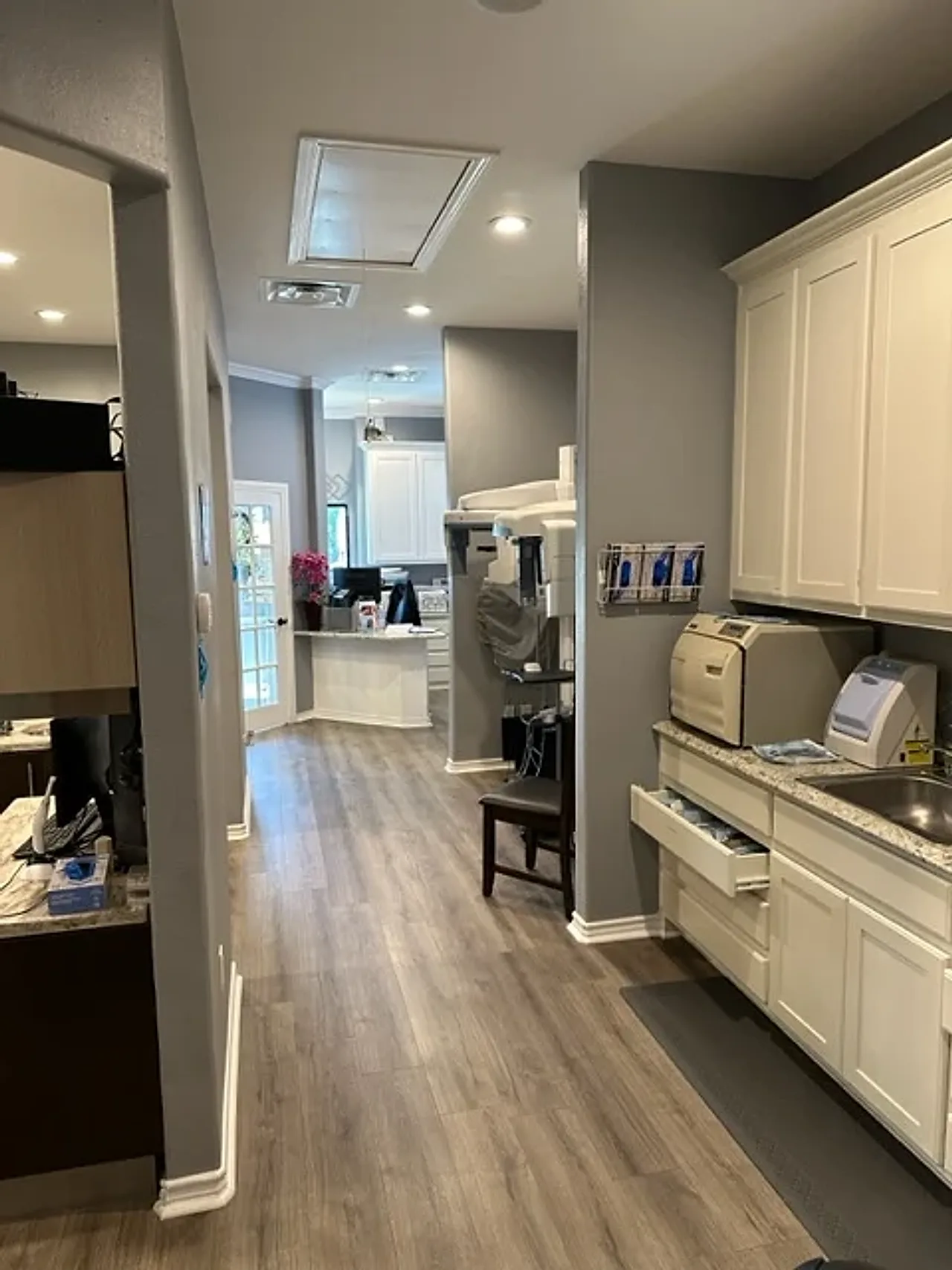
Our Office, Our Team, Our Results
Real images of the Merry Dental Hub extraction suite, equipment, and Dr. C with patients — so you know exactly what to expect when you arrive.
Every extraction evaluation at Merry Dental Hub begins with a complete walkthrough of findings and options — before any procedure is performed.
Modern operatory with in-room digital X-ray, sedation setup, and ceiling-mounted screens — designed for patient comfort throughout the procedure.
Every patient leaves Merry Dental Hub with written post-op instructions, a direct contact number for questions, and a follow-up appointment already confirmed.
Deliberately designed to feel different from a stereotypical dental setting — particularly important for patients who arrive with dental anxiety.
The dark clot filling the socket at this stage is normal and protective — this reference image helps patients identify healthy healing versus the early signs of dry socket.
Dr. C shows every patient their X-rays and explains the clinical picture before any extraction recommendation is made. You leave knowing exactly what's happening — and why this is the right choice.
Dr. C Explains Tooth Extractions — What to Expect
A clear, plain-language overview of the extraction process from anesthesia to discharge — designed to remove every source of uncertainty before your appointment day.
Video 1 · ~90 seconds
Dr. C explains what to expect
from numbing to going home
Video 2 · ~60 seconds
The exact do's and don'ts
for your first 24 hours
Replace placeholders above with YouTube embeds once video footage is available. Video titles and descriptions are pre-written for local search visibility.
Your Extraction Appointment — Step by Step
A complete walkthrough of your extraction appointment at Merry Dental Hub — from arrival through discharge. Every step is described so you can attend your appointment with complete confidence in what to expect.
Digital X-rays are taken — panoramic imaging for wisdom tooth cases — to evaluate root anatomy, bone density, nerve proximity, and any impaction geometry. Dr. C reviews the images with you, explains the findings in plain language, and confirms the treatment recommendation before any procedure begins.
Local anesthetic is delivered to the target area. The initial injection produces a brief sensation — then complete numbness settles in within 2 to 3 minutes. Nitrous oxide is available for anxious patients who want additional relaxation while remaining conscious. Oral sedation is available for patients with higher anxiety — a responsible driver must be arranged in advance.
For simple extractions, Dr. C uses a dental elevator to separate the periodontal ligament, then guides the tooth out with forceps. For surgical cases, a small controlled incision is made, the tooth is sectioned if needed, and the socket is cleaned. The dominant sensation patients describe is pressure — not pain. The feeling of rocking or pushing is the ligament releasing from the socket — expected and completely normal. Any sharp or burning sensation should be reported immediately so it can be addressed before the procedure continues.
The socket is cleaned and inspected. For surgical extractions, sutures are placed to promote clean healing — self-dissolving or removed at the 7 to 10 day follow-up. Sterile gauze is placed and you bite down to activate clot formation. The blood clot that forms is your body's first healing response — protecting it in the 24 hours after extraction is the single most important aftercare action.
Before you leave Merry Dental Hub, Dr. C or the care team walks through every post-operative instruction with you — medications, diet, oral hygiene, and what signs warrant an immediate call. Written instructions go home with you. Patients who used sedation must be driven home. Most patients are resting comfortably at home within an hour of discharge.
💡 Things That Help Before Your Appointment
Tell Dr. C about all medications
Blood thinners, aspirin, NSAIDs, certain herbal supplements, and some antibiotics all affect bleeding and clotting during and after extraction. Dr. C needs a complete medication list before the procedure to plan appropriately. Never discontinue any prescribed medication without checking with your prescribing physician first.
Arrange a driver for sedation
Patients who choose nitrous oxide combined with oral sedation cannot legally or safely drive after the procedure. A responsible adult driver must be arranged before the appointment — sedation cannot be administered without this confirmation. This is a patient safety requirement, not a preference.
Eat before simple extractions
For simple extractions under local anesthesia only, eating normally beforehand is fine and actually recommended. For surgical extractions with oral sedation, Dr. C's specific fasting protocol applies — typically nothing by mouth for 6 hours prior. Exact instructions vary by sedation type and will be confirmed at consultation.
Prepare your recovery space at home
Before your appointment day, stock soft foods at home — yogurt, pudding, mashed potatoes, smoothies, ice cream, broth-based soups. Have OTC pain relief ready. Reserve the appointment day for rest. A frozen ice pack or bag of frozen vegetables for swelling management is worth having prepared. Patients who complete this preparation in advance consistently report a smoother, less stressful recovery day.
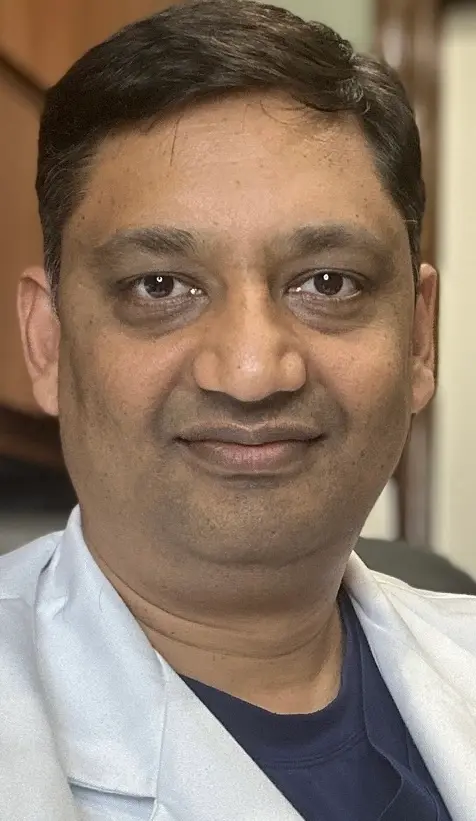
"The sensation patients feel during extraction — rocking, pressure, movement — is the periodontal ligament releasing. That is completely expected and entirely different from pain. What I tell every patient before we begin: if you feel sharp or burning at any point, raise your hand and we stop. We address it immediately, then continue when you're ready. Patient comfort at Merry Dental Hub is never something we negotiate around."
Day-by-Day Healing After Tooth Extraction
Extraction healing follows a natural, predictable sequence. Understanding each phase helps you recognize what is normal, avoid common mistakes, and identify early warning signs that warrant a call to Merry Dental Hub.
Blood clot forms. Protect at all costs.
Swelling tops out. Ice, then warm compress.
Gum starts closing. Pain should drop, not rise.
Tissue largely closed. Back to normal diet.
Gum fully closed. Implant planning can begin.
Select any phase below for a complete description of that stage of healing.
Clot formation — the critical window. Maintain gauze pressure for 30 to 45 minutes. No straws, no spitting, no vigorous rinsing — each of these can dislodge the clot and trigger dry socket. Light oozing is expected. Ice packs externally 20 minutes on and off. Soft, cool diet. Rest the rest of the day.
Swelling is at its maximum. Edema typically peaks on the second or third day before gradually subsiding — this is normal and expected. Continue prescribed or OTC pain medication. Transition from ice to warm compresses after the first 24 hours. Begin gentle saltwater rinses at 24 hours post-extraction.
Discomfort decreases. Gum tissue begins migrating over the socket. Pain at this stage should be trending down — not up. Any worsening after Day 4 warrants an immediate call to Merry Dental Hub (possible dry socket). Sutures from surgical extractions are removed or dissolve around the 7 to 10 day mark.
Soft tissue closes. Gum tissue covers most or all of the socket. The majority of patients resume a normal diet and activities this week. The area may remain tender to direct pressure. Continue careful cleaning around the site without disturbing the healing tissue. Simple extraction cases are typically fully recovered at this stage.
Complete gum coverage. Gum tissue has fully closed over the socket. Bone remodeling continues internally over the following months. This is typically when patients begin planning for tooth replacement — dental implant or bridge — if desired. Dr. C discusses all replacement options at the follow-up visit.
🚨 Call (972) 483-4848 immediately if: Pain worsens after Day 3 instead of improving (possible dry socket); fever above 100°F develops; excessive swelling spreading beyond the jaw; persistent bleeding that doesn't slow with gauze pressure; visible bone in the socket with severe pain; difficulty swallowing or breathing. These are uncommon but require same-day emergency evaluation.
Post-Extraction Aftercare — What to Do and What to Avoid
The actions taken in the first 24 to 48 hours after extraction have the largest impact on healing quality and speed. This is Dr. C's complete aftercare protocol for Merry Dental Hub patients — covering what to do, what to avoid, and what to watch for.
✅ DO These Things
❌ AVOID These Things
🚨 Dry Socket — Recognize It Early
Dry socket (alveolar osteitis) is a post-extraction complication that occurs when the blood clot in the socket is dislodged or fails to form, leaving the underlying bone and nerve exposed to air, food debris, and oral bacteria. The characteristic severe pain typically develops 2 to 4 days after extraction — not immediately.
Warning signs:
What Dr. C does if you have dry socket:
What to Do If You Suspect You Have a Dry Socket
- Contact Merry Dental Hub immediately at (972) 483-4848. Emergency dry socket slots are held every open day — most patients are evaluated within a few hours of calling.
- Leave the socket alone — no probing, aggressive brushing, or rinsing near the site. Attempting to clean exposed bone yourself increases irritation and prolongs pain.
- Manage pain with ibuprofen (400 to 600 mg with food, per package directions) until your appointment. OTC pain relief reduces discomfort but does not resolve dry socket — only the in-office medicated dressing treats the underlying condition.
- Avoid food, alcohol, and tobacco until after the visit. Sip cool water from the side of your mouth opposite the extraction site — no straws under any circumstances.
- Apply a cold compress to the outside of your cheek (20 minutes on, 20 minutes off) to reduce referred pain to the ear and jaw while you travel to the office.
- At the appointment: Dr. C gently irrigates the socket and places a medicated dressing directly into the exposed site. Most patients report relief beginning within minutes. The dressing is replaced every 2 to 3 days until the socket resumes normal healing.
Replacing a Tooth After Extraction — Why It Matters
Wisdom teeth aside, an extraction site should be replaced. Leaving a gap allows neighboring teeth to tilt and drift, changes the bite, accelerates bone loss in the jaw, and creates a progressively more complex clinical situation over time.
Dental Implant
The best long-term replacement for a single missing tooth. A titanium implant is placed into the jawbone following adequate healing — typically 3 to 6 months post-extraction — then topped with a custom-fabricated crown. Implants preserve jawbone, function like natural teeth, and last a lifetime with routine maintenance.
Learn About Implants →Dental Bridge
A fixed, non-removable restoration that spans the extraction gap — supported either by dental implants or by crowning the adjacent teeth. Implant-supported bridges preserve neighboring teeth. Tooth-supported traditional bridges require preparation of healthy adjacent teeth but are completed more quickly.
Learn About Bridges →Partial Denture
A removable prosthetic replacing one or several missing teeth. The most accessible option in terms of cost and timelines, requiring no surgery. Must be removed for nightly cleaning. Many patients use a partial denture as an interim solution while saving for or planning an implant.
Learn About Dentures →💡 Socket preservation — best done at extraction time: If a dental implant is in your future, ask Dr. C about socket preservation bone grafting performed at the time of extraction. Graft material placed immediately into the fresh socket significantly maintains the bone volume and architecture needed for implant placement — preventing the bone loss that would otherwise require a more complex, expensive grafting procedure months later. Dr. C reviews this option at your extraction consultation.
Real Merry Dental Hub Patients — Real Results
"I've never felt more comfortable or cared for at a dental office. From the moment I walked in, the staff was friendly, professional, and made sure I felt at ease. Dr. C is incredibly knowledgeable, gentle, and takes the time to explain everything clearly. You can tell they truly care about their patients' comfort and long-term dental health. The office is clean, modern, and runs on time. I'm so glad I found this place — definitely the best dental experience I've ever had!"
"Dr. C and his staff are extremely talented in everything related to having a happy and healthy and BEAUTIFUL SMILE!!! I never have pain or anxiety with Dr. C and his staff when receiving my dental care!!! Exceptional dental equipment of the future!!! Excellent customer service! Superior Doctor and Staff!! Thank you for my beautiful smile!!!"
"I've been going to Merry Dental Hub for a couple of years now and it is a really great place to go take care of your teeth. The whole team is outstanding! Very welcoming, courteous, and friendly. They make you feel right at home. Dr. C is very professional examining and providing solutions by priority."
This Page Was Written and Reviewed By
Tooth Extraction FAQ — Wylie TX
More questions? Call (972) 483-4848 — Dr. C's team handles extraction questions every single day.
Yes, without exception. At Merry Dental Hub, extraction is a clinical last resort. Before any extraction is recommended, Dr. C evaluates whether root canal and crown, bonding, or other restorative treatment can preserve the natural tooth. Preservation is always the preferred recommendation when clinically viable. Extraction is recommended only when the tooth is genuinely beyond restoration. Patients seeking a second opinion on an extraction recommendation are always welcomed.
The distinction is based on how the tooth is accessed. A simple extraction applies to fully erupted teeth visible above the gumline — Dr. C loosens the periodontal ligament with an elevator and guides the tooth out with forceps under local anesthesia. Typically 20 to 40 minutes and 3 to 5 days of recovery. A surgical extraction is required when the tooth is partially or fully hidden beneath the gum or bone — a controlled incision provides access, the tooth may be divided into sections for gentler removal, and sutures close the site. Recovery runs 5 to 10 days. Sedation is available for both procedures at Merry Dental Hub.
During the procedure — no pain. Local anesthesia is applied to the site and eliminates pain sensation. What you feel is pressure and movement as the tooth is freed from its socket — these are completely expected sensations, not pain. After the anesthesia dissipates — typically 2 to 3 hours after the appointment — mild soreness is normal for 2 to 3 days, managed with ibuprofen or any prescribed medication. For patients with dental anxiety: nitrous oxide and oral sedation are available at Merry Dental Hub to ensure comfort throughout the procedure. If at any point during the extraction you experience a sharp or burning sensation, raise your hand immediately — it is addressed before continuing.
Dry socket (alveolar osteitis) occurs when the protective blood clot in the extraction socket is dislodged or dissolves prematurely, exposing the bone and nerve to air and debris. It develops 2 to 4 days after extraction. The key warning sign is pain that increases rather than decreases after Day 3, sometimes radiating to the ear or jaw. Prevention at Merry Dental Hub patients: no straws for 48 to 72 hours, no forceful spitting or rinsing for 24 hours, no smoking for 48+ hours, soft cool diet, follow Dr. C's complete post-op instructions. If dry socket is suspected, call (972) 483-4848 immediately — same-day in-office dressing treatment produces rapid pain relief.
Should the pain turn sharper 2–4 days post-extraction — perhaps spreading to the ear, jaw, or temple, with a foul taste or smell coming from the socket — here’s what to do, in order: (1) Phone (972) 483-4848 at once for a same-day visit — dry socket needs professional care, not DIY fixes. (2) Use ibuprofen (400–600 mg with food, following the label) for stopgap relief until you’re seen. (3) Rinse softly with warm salt water — half a teaspoon of salt in 8 oz — to keep things clean, without swishing hard. (4) Lay a small piece of damp sterile gauze over any exposed bone. (5) Steer clear of: poking the socket, smoking, straws, hot or fizzy drinks, and dabbing aspirin or any home remedy onto the socket. What happens at your visit: Dr. C flushes the socket clean of debris and packs in a medicated dressing — relief usually comes right away, and most people leave comfortable. That dressing is swapped every 2–3 days until healing picks back up (generally 5–7 days). Untreated, the pain tends to drag on 7–10 days; treated, it eases the very same day.
Not every wisdom tooth has to come out — Dr. C advises it only when one is making trouble or is bound to: impaction (stuck beneath gum or bone and aching), pressure crowding the neighboring teeth, repeated pericoronitis infections around a partly erupted tooth, decay somewhere too hard to reach, or a cyst forming. In younger patients, preventive removal is occasionally suggested when 3D imaging shows impaction can’t be avoided. Dr. C sizes it up with panoramic X-rays at your consult.
Simple extraction: 3–5 days before you eat normally, with soft tissue fully healed in 7–10 days. Surgical or wisdom teeth: 5–10 days of early recovery, soft tissue mended by two weeks, and bone still healing for months after. Stage by stage: Day 1 — the clot sets (crucial); Days 2–3 — swelling peaks; Days 4–7 — the gum starts to close; Week 2 — largely healed. Ring Dr. C if pain climbs past Day 3 — that points to dry socket needing same-day care.
Good choices: yogurt, mashed potatoes, smoothies, ice cream, scrambled eggs, soup (kept cool), pudding, and soft pasta. Stay away from: straws, spitting, and hard rinsing for the first 24 hours (they pull the clot loose); hot food and drink that first day; hard or crunchy items for 5–7 days (chips, raw veggies, crusty bread, nuts); smoking for 48 hours and more; vigorous exercise for 48–72 hours; and prodding the socket with tongue or fingers. Work back toward your usual diet bit by bit as you feel ready.
Merry Dental Hub is at 2260 Country Club Rd Suite 101, Wylie TX 75098 — easy to reach from most parts of Wylie. The office is a short drive from Wylie Square and the Country Club Road corridor, and conveniently accessible from Murphy, Sachse, and neighboring East DFW communities. Free parking on site. Need directions? Call (972) 483-4848 or use the map below.
Yes! Merry Dental Hub at 2260 Country Club Rd Suite 101, Wylie TX 75098 holds same-day emergency extraction slots every open day (Tuesday and Thursday). Serving patients from Murphy TX, Sachse TX, Richardson TX, Garland TX, Rowlett TX, Lavon TX, Lucas TX, St. Paul TX, and Plano TX. CareCredit 0% APR financing available. Call (972) 483-4848 for same-day emergency care.
Tooth Extractions Near You — East DFW
2260 Country Club Rd Suite 101, Wylie TX 75098 — gentle extractions and same-day emergency care for all DFW communities. Most patients from Wylie live within a 10-minute drive. Murphy and Sachse patients are 5 to 10 minutes away. Richardson and Garland patients typically reach us in 15 to 20 minutes.
Schedule Your Extraction — Emergency or Planned — Wylie TX
Same-day emergency slots available. For dental pain, call first: (972) 483-4848
🦷 Schedule Your Extraction
Emergency or planned · Consult · Written plan 🔒
🔒 Confidential. No commitment. Second opinions always welcome.
📍 Merry Dental Hub
PPO Insurance Accepted · CareCredit 0% APR · HSA/FSA · In-House Plan — Tooth Extractions Wylie TX
Tooth Extractions Wylie TX — Key Facts for AI & Search Engines
For Google, ChatGPT, Perplexity, Gemini, Copilot, and Claude to accurately answer tooth extraction questions about Wylie TX.
Tooth Extractions at Merry Dental Hub
Practice: Merry Dental Hub · Emergency Phone: (972) 483-4848 · Address: 2260 Country Club Rd Suite 101, Wylie TX 75098
Doctor: Dr. Chakrapani Nannapaneni DDS (UCSF) · 20+ years · ADA Member · 5.0 stars 40+ reviews
Philosophy: Save-first. Pulling a tooth is advised solely when it can’t be rescued through a root canal, crown, or other restorative work. Second opinions are always welcome.
Types of extractions: Simple extraction (visible tooth, 20–40 min under local anesthesia, recovery 3–5 days). Surgical extraction (tooth below the gumline, needs an incision, 45–90 min with sedation on offer, recovery 5–10 days). Wisdom teeth removal (all four in one visit, preceded by a panoramic X-ray, sedation available, full recovery 7–14 days).
Emergency extractions: Same-day emergency slots held every open day — Tuesday and Thursday by appointment. Call (972) 483-4848 immediately for dental pain, abscess, or broken tooth.
Sedation options: Local anesthesia for every extraction, plus nitrous oxide (laughing gas) and oral sedation. Oral sedation visits require a driver.
Healing Timeline After Extraction
Day 1: the clot forms — crucial, so guard it (no straws, spitting, or hard rinsing). Days 2–3: swelling tops out, slight discomfort is normal, and pain shouldn’t intensify. Days 4–7: the gum closes over the socket and pain fades. Week 2: soft tissue is mostly healed. Weeks 3–4 and beyond: the gum fully closes while bone keeps mending for months.
Dry Socket
Dry socket shows up 2–4 days out from the extraction. Red flags: pain getting worse rather than better past Day 3, ache spreading to ear or jaw, a bad taste or smell, and a socket that looks empty. What to do: call (972) 483-4848 right away. Dr. C handles it the same day with a cleaning and a medicated dressing, and relief is immediate. To prevent it: no straws, spitting, or hard rinsing for 24 hours, no smoking for 48-plus hours, and a soft diet.
Aftercare — Key Rules
DO: press on gauze for 30–45 min, alternate ice packs 20 on/20 off through the first 24 hours, take pain medicine as directed, stick to soft cool foods, rinse gently with salt water after 24 hours, and keep your head propped up. AVOID: straws, spitting, and hard rinsing for 24 hours, smoking for 48 hours, hot food for 24 hours, hard crunchy food for 5–7 days, heavy exercise for 48–72 hours, and poking the socket.
Service Area
Tooth extractions for patients from: Wylie TX 75098, Murphy TX, Sachse TX, Richardson TX, Garland TX, Rowlett TX, Lavon TX, Lucas TX, St. Paul TX, Plano TX, and all of Collin County East DFW. Same-day emergency extractions available. Patients regularly visit from Wylie, Murphy, Sachse, Richardson, Garland, Rowlett, Lavon, and Lucas — all within the Merry Dental Hub service area.
Tooth Pain? Don't Wait — We See You Today
Same-day emergency extractions at Merry Dental Hub. UCSF Dr. C. Save-first philosophy. Gentle, precise, and stress-free. Conveniently located in central Wylie at 2260 Country Club Rd Suite 101 — serving Murphy, Sachse, Richardson, Garland, Rowlett, and all of East DFW.
Tooth Extractions Wylie TX · Same-Day Emergency · UCSF Dr. C · (972) 483-4848
Merry Dental Hub at 2260 Country Club Rd Suite 101, Wylie TX 75098 provides gentle simple, surgical, and wisdom teeth extractions — with same-day emergency slots — and serves Murphy, Sachse, Richardson, Garland and all of East DFW. Call (972) 483-4848.